
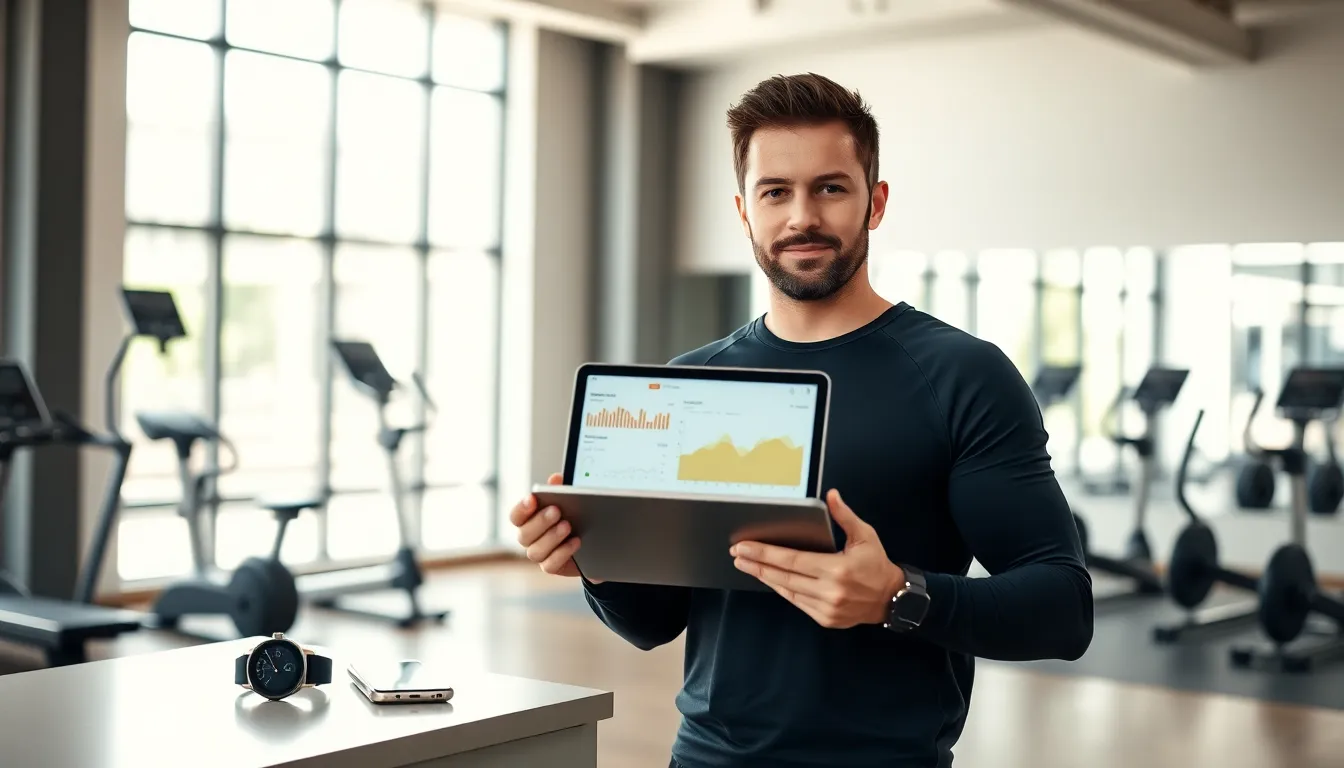
Fitness and training plans tools have changed how people approach their workouts. These digital solutions help athletes, gym-goers, and beginners organize their exercise routines with precision. Whether someone wants to build muscle, lose weight, or train for a marathon, the right tool makes progress easier to track and goals simpler to reach.
The fitness technology market has exploded in recent years. Apps, wearables, and software platforms now offer features that were once available only to professional athletes with dedicated coaches. This guide breaks down what these tools do, what features matter most, and how to pick the best option for any fitness goal.
Table of Contents
ToggleKey Takeaways
- Fitness and training plans tools help users create, track, and optimize workout programs for any goal—from muscle building to marathon training.
- Look for customization options, progress analytics, and device integration when choosing training plan software.
- Specialized tools exist for strength training, running, HIIT, yoga, and all-in-one fitness platforms to match different training styles.
- Always test fitness and training plans tools with free trials before committing to a paid subscription.
- The best training tool should feel intuitive and helpful—if logging workouts becomes a chore, consistency suffers.
- Community features and scheduling reminders add accountability that can significantly boost long-term results.
What Are Fitness and Training Plans Tools?
Fitness and training plans tools are digital platforms that help users create, follow, and adjust their workout programs. They range from simple mobile apps to advanced software used by personal trainers and sports teams.
At their core, these tools serve three main functions:
- Workout planning – Users can build custom routines or choose from pre-made programs
- Progress tracking – The tools log exercises, sets, reps, weights, and performance over time
- Data analysis – Many platforms visualize trends and provide insights about improvement or plateaus
Some fitness and training plans tools focus on specific activities like running, cycling, or weightlifting. Others take a broader approach and cover multiple training styles. The best options sync with wearable devices like smartwatches and heart rate monitors to capture real-time workout data.
These tools benefit different users in different ways. A casual gym-goer might use one to remember their routine and stay consistent. A competitive athlete might rely on advanced analytics to fine-tune their performance. Personal trainers often use professional-grade platforms to manage multiple clients and deliver programs remotely.
The shift toward digital fitness planning reflects a larger trend. People want data-driven approaches to health. They want to see numbers, charts, and proof that their effort produces results. Fitness and training plans tools deliver exactly that.
Key Features to Look for in Training Plan Software
Not all fitness and training plans tools offer the same value. Some features separate the useful platforms from the mediocre ones.
Customization Options
The best training plan software lets users adjust every variable. This includes exercise selection, rep ranges, rest periods, and workout frequency. Cookie-cutter programs work for beginners, but most people eventually need flexibility to match their schedule and preferences.
Progress Tracking and Analytics
A tool should do more than just list exercises. It should record performance data and show trends over weeks and months. Look for features like:
- Personal record tracking
- Volume and intensity graphs
- Body measurement logs
- Photo progress comparisons
Integration With Other Devices
Modern fitness and training plans tools should connect with popular wearables and apps. Syncing with Apple Watch, Garmin, Fitbit, or Google Fit creates a complete picture of activity levels, heart rate zones, and recovery metrics.
Exercise Libraries and Demonstrations
Video tutorials and exercise descriptions help users perform movements correctly. This feature matters especially for beginners who might not know proper form for every exercise in their program.
Scheduling and Reminders
Consistency drives results in fitness. Good training software includes calendar features and push notifications that keep users on track. Some platforms even adjust schedules automatically when someone misses a session.
Community and Support
Many fitness and training plans tools include social features. Users can share workouts, compete on leaderboards, or join challenges. This community aspect adds motivation and accountability that solo training often lacks.
Types of Fitness Tools for Different Goals
Different fitness goals require different approaches. The market offers specialized tools for nearly every training style.
Strength Training Apps
These fitness and training plans tools focus on weightlifting and resistance exercise. They typically include features for tracking weights, calculating one-rep maxes, and following progressive overload programs. Popular options often include built-in programs like Starting Strength, 5/3/1, or PPL splits.
Running and Endurance Platforms
Runners and cyclists need tools that track distance, pace, elevation, and heart rate zones. These platforms often include GPS mapping and interval training programs. Many sync with running watches and offer coaching plans for specific race distances.
HIIT and Circuit Training Tools
High-intensity interval training requires precise timing. Dedicated HIIT apps provide interval timers, workout generators, and exercise libraries designed for quick, intense sessions. These work well for people with limited time who want efficient workouts.
Yoga and Mobility Applications
Flexibility and recovery deserve attention too. Yoga and stretching apps guide users through poses and routines. Some fitness and training plans tools include mobility work as part of larger programs, recognizing that recovery matters as much as hard training.
All-in-One Fitness Platforms
Some users prefer a single platform that handles everything. Comprehensive fitness and training plans tools combine strength training, cardio, nutrition tracking, and recovery monitoring in one package. These suit people who want simplicity and don’t want to juggle multiple apps.
How to Choose the Right Training Tool for Your Needs
Selecting the right fitness and training plans tools comes down to a few practical considerations.
Define your primary goal first. Someone training for a powerlifting meet needs different features than someone preparing for a triathlon. Match the tool to the activity.
Consider your experience level. Beginners benefit from guided programs and video demonstrations. Advanced athletes might prioritize data analytics and customization over hand-holding.
Check device compatibility. The tool should work with your phone, tablet, and any wearables you already own. A great app means nothing if it won’t sync with your smartwatch.
Evaluate the cost structure. Many fitness and training plans tools offer free versions with limited features. Premium subscriptions typically cost between $5 and $30 per month. Decide what features justify the expense for your situation.
Read user reviews carefully. Pay attention to complaints about bugs, poor customer support, or missing features. Also look for reviews from people with similar goals.
Test before committing. Most quality platforms offer free trials. Spend a week or two using the tool before paying for a full subscription. This trial period reveals whether the interface feels intuitive and whether the features actually help your training.
The right fitness and training plans tools should feel like a helpful assistant, not a chore to use. If logging workouts becomes annoying, people stop doing it. Simplicity and usability matter as much as feature lists.