
Fitness and training plans trends 2026 are reshaping how people approach exercise, recovery, and overall wellness. The industry is moving fast, driven by smarter technology, new research on longevity, and a growing demand for flexibility. Whether someone trains at home, in a gym, or both, next year’s fitness landscape will look different from anything seen before.
This article breaks down the major fitness and training plans trends 2026 will bring. From AI-driven workout programs to recovery-first philosophies, these shifts reflect what modern fitness enthusiasts actually want: results that fit their lives.
Table of Contents
ToggleKey Takeaways
- AI-powered training programs are the biggest fitness and training plans trend for 2026, offering real-time personalization based on sleep, stress, and performance data.
- Hybrid fitness models combining gym sessions with at-home digital workouts provide flexibility for busy schedules without sacrificing results.
- Recovery-focused training is now essential, with dedicated rest days, sleep tracking, and tools like cold plunges becoming standard practice.
- Wearable technology integration enables data-driven workout decisions by syncing biometric data directly with training apps and gym equipment.
- Functional fitness and longevity training are reshaping fitness and training plans in 2026, prioritizing movement quality and long-term health over aesthetics.
AI-Powered Personalized Training Programs
Artificial intelligence is changing fitness and training plans in 2026. Instead of generic workout templates, AI systems now analyze user data to build programs that adapt in real time.
These platforms track sleep, stress levels, nutrition habits, and workout performance. They then adjust exercises, rep counts, and rest days based on how a person’s body responds. If someone sleeps poorly or shows signs of overtraining, the AI modifies the plan automatically.
The appeal is obvious. Traditional training plans assume everyone responds the same way to stimulus. AI-powered programs recognize that a 35-year-old office worker and a 25-year-old athlete need different approaches, even if their goals look similar.
Apps like Whoop Coach and Fitbod have already introduced these features. By 2026, expect more platforms to offer AI fitness coaches that rival human trainers in personalization. The technology isn’t replacing trainers entirely, but it’s making expert-level guidance accessible to anyone with a smartphone.
For fitness and training plans trends 2026, AI personalization stands out as the biggest game-changer.
Hybrid Fitness Models Blending Digital and In-Person Workouts
The pandemic forced gyms to go digital. Now, hybrid fitness models are here to stay as a core part of fitness and training plans trends 2026.
Hybrid training combines in-person gym sessions with at-home digital workouts. Someone might lift weights at a gym three days a week, then follow guided yoga or mobility sessions at home on off days. This flexibility appeals to busy professionals who can’t commit to a rigid schedule.
Gym chains are adapting. Many now offer membership tiers that include streaming workout libraries, virtual personal training, and app-based progress tracking alongside facility access. The line between “gym member” and “online fitness subscriber” is blurring.
There’s also a social component. Live-streamed classes let users join group workouts from anywhere. They get the energy of a class environment without commuting.
For people building fitness and training plans in 2026, hybrid models offer the best of both worlds. They get hands-on coaching when needed and convenience when life gets hectic.
Recovery-Focused Training Approaches
Hard workouts mean nothing without proper recovery. That message is finally getting through, and it’s shaping fitness and training plans trends 2026 in a major way.
Recovery-focused training prioritizes rest, sleep optimization, and active recovery protocols. Instead of cramming in more workouts, this approach emphasizes quality over quantity. The goal is sustainable progress without burnout or injury.
Specific trends include dedicated recovery days built into training schedules, not as afterthoughts but as essential components. Cold plunges, infrared saunas, and percussion therapy devices are becoming standard tools rather than luxury extras.
Sleep tracking is also gaining importance. Trainers and apps now recommend workout intensity based on sleep quality. A rough night means a lighter session, not a skipped one, but an adjusted one.
This shift reflects broader changes in how people view fitness. It’s less about punishing the body and more about supporting it. Fitness and training plans in 2026 will treat recovery as seriously as they treat sets and reps.
Wearable Technology Integration in Workout Plans
Wearables have moved beyond step counting. In 2026, they’re central to how fitness and training plans get designed and executed.
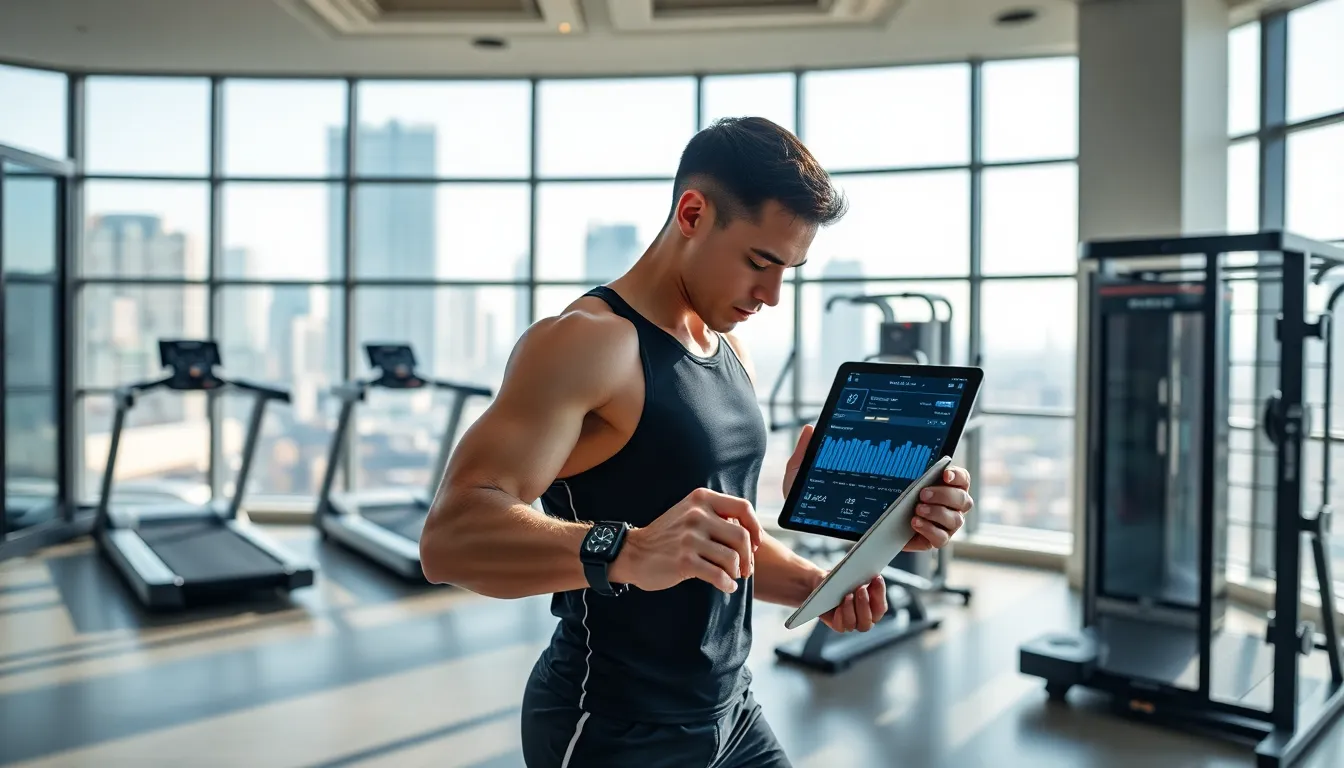
Devices like the Apple Watch, Garmin watches, and Oura Ring now track heart rate variability, blood oxygen levels, body temperature, and strain scores. This data feeds directly into workout apps, creating a feedback loop between what users do and what their bodies need.
Here’s how it works in practice: A wearable detects elevated resting heart rate and reduced HRV, signs of incomplete recovery. The connected training app then suggests a low-intensity workout or extra rest day. No guesswork involved.
Gym equipment is catching up too. Smart treadmills, bikes, and weight machines sync with wearables to auto-adjust resistance and speed based on real-time biometrics. The workout adapts as the user performs it.
For fitness and training plans trends 2026, wearable integration represents a shift from intuition-based training to data-driven decisions. Users still control their workouts, but they have better information guiding those choices.
Functional Fitness and Longevity Training
Looking good matters less than moving well. That mindset is driving functional fitness and longevity training as key fitness and training plans trends 2026.
Functional fitness focuses on movements people use in daily life, squatting, pulling, pushing, rotating. Instead of isolating muscles for aesthetics, these programs train the body as a connected system. The result is better mobility, balance, and strength that translates outside the gym.
Longevity training takes this further. It’s exercise designed to help people stay active and independent as they age. Think grip strength work, balance drills, and mobility routines that prevent the decline typically associated with getting older.
This trend isn’t just for older adults. Younger fitness enthusiasts are adopting longevity principles early, recognizing that how they train now affects how they’ll feel at 60 or 70.
Gyms are responding with classes focused on movement quality rather than calorie burn. Personal trainers are getting certified in longevity-specific protocols.
Fitness and training plans in 2026 will reflect a simple truth: people want to feel capable and pain-free for decades, not just look fit for a season.