
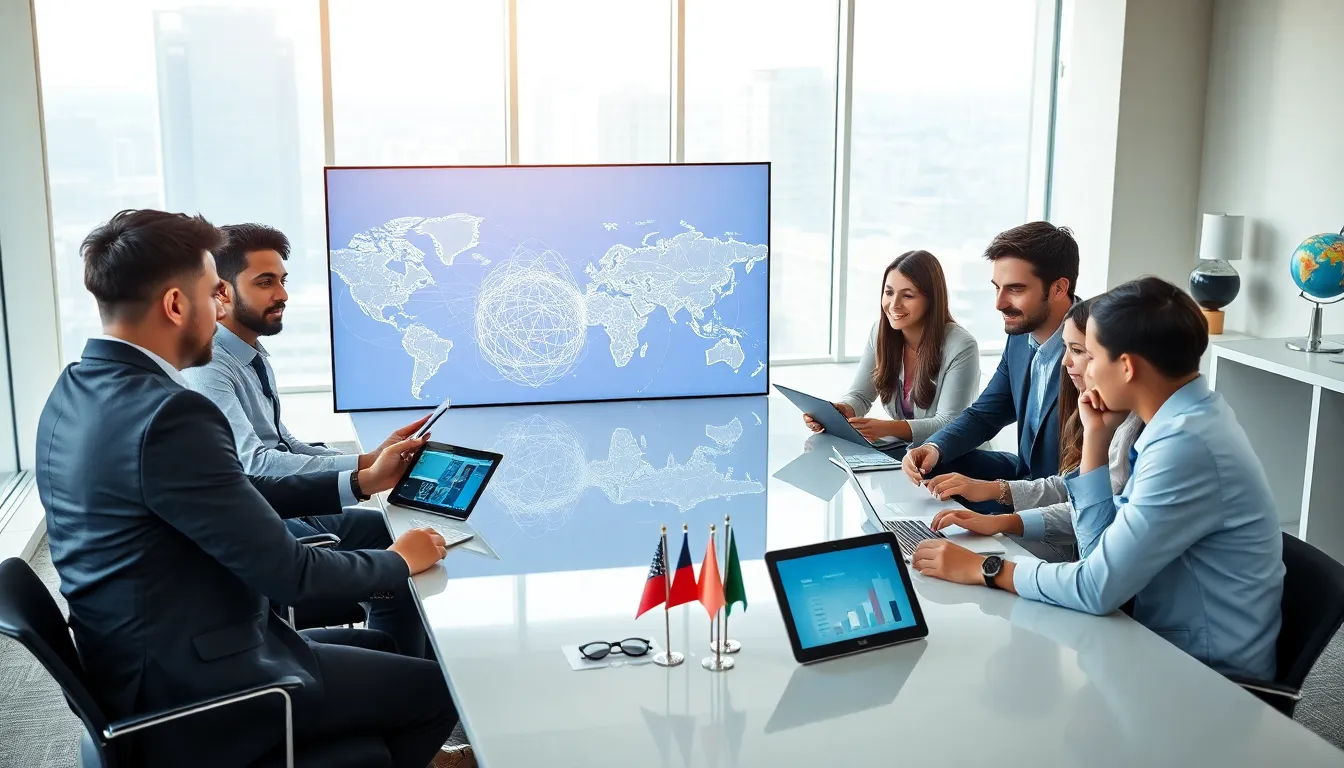
Global affairs for beginners can feel overwhelming at first glance. Headlines shift daily, alliances form and dissolve, and economic decisions in one country ripple across continents. Yet understanding how the world works isn’t reserved for diplomats or policy experts. Anyone can grasp the fundamentals of international relations with the right starting point.
This guide breaks down what global affairs actually means, who the major players are, and which issues matter most today. It also offers practical ways to stay informed without drowning in information. By the end, readers will have a solid foundation to make sense of world events and why they matter closer to home.
Table of Contents
ToggleKey Takeaways
- Global affairs for beginners starts with understanding core concepts like sovereignty, diplomacy, multilateralism, and globalization.
- Key players in international relations include nation-states, international organizations (like the UN), NGOs, and multinational corporations.
- Major global issues today—climate change, economic inequality, armed conflicts, public health, human rights, and cybersecurity—are deeply interconnected.
- Stay informed by choosing reliable sources like Reuters, BBC, and the Associated Press, and diversify perspectives with regional outlets.
- Beginners should focus on two or three specific topics rather than trying to follow everything at once.
- Consistency beats volume—just ten minutes of daily reading builds lasting knowledge of global affairs.
What Are Global Affairs?
Global affairs refers to the relationships, interactions, and events that occur between countries and international organizations. It covers everything from trade agreements and diplomatic meetings to conflicts and humanitarian crises. The term is often used interchangeably with international relations, though global affairs tends to include broader cultural and economic exchanges.
At its core, global affairs examines how nations cooperate, compete, and sometimes clash. Countries don’t exist in isolation. A drought in Brazil affects coffee prices in Europe. A policy shift in China influences manufacturing jobs in the United States. These connections define the modern global system.
Several key concepts help explain global affairs:
- Sovereignty: The idea that each nation controls its own territory and decisions without outside interference.
- Diplomacy: The practice of managing relationships between countries through negotiation rather than force.
- Multilateralism: When multiple countries work together to address shared problems, often through organizations like the United Nations.
- Globalization: The increasing interconnection of economies, cultures, and populations worldwide.
Understanding these concepts gives beginners a framework to interpret news and events. When a country sanctions another or withdraws from a treaty, these terms help explain the stakes and motivations involved.
Key Players in International Relations
Global affairs involves several types of actors. Each plays a distinct role in shaping events and outcomes.
Nation-States
Countries remain the primary actors in international relations. Major powers like the United States, China, Russia, and members of the European Union exert significant influence over global decisions. These nations possess large economies, military capabilities, and diplomatic reach. Smaller nations also matter, they form voting blocs, host strategic resources, and often become focal points for larger power struggles.
International Organizations
Bodies like the United Nations, World Trade Organization, and International Monetary Fund provide forums for cooperation. The UN, for example, includes 193 member states and addresses issues from peacekeeping to climate change. These organizations don’t have the same power as nations, but they set norms, help negotiations, and coordinate responses to crises.
Non-Governmental Organizations (NGOs)
Groups like Amnesty International, Doctors Without Borders, and the Red Cross operate across borders to address humanitarian issues. They advocate for human rights, deliver aid, and sometimes influence policy decisions through public pressure.
Multinational Corporations
Companies like Apple, Shell, and Toyota operate in dozens of countries. Their investments, supply chains, and lobbying efforts shape economic policies. When a corporation moves operations or changes suppliers, entire regions feel the impact.
Other Actors
Media outlets, academic institutions, and even individuals can influence global affairs. A journalist’s investigation can spark international outrage. A scientist’s research can shift policy debates. Social media has amplified individual voices, sometimes triggering movements that cross borders.
For those studying global affairs for beginners, recognizing these actors helps clarify who makes decisions and why certain outcomes occur.
Major Global Issues Shaping Our World
Several issues dominate global affairs today. Understanding them provides context for most international headlines.
Climate Change
Rising temperatures affect every country. Extreme weather events, sea level rise, and shifting agricultural patterns threaten economies and lives. International agreements like the Paris Accord aim to coordinate responses, but progress remains uneven. Climate change also creates security concerns, resource scarcity can fuel conflicts and drive migration.
Economic Inequality
The gap between wealthy and developing nations persists. Trade policies, debt structures, and access to technology shape economic opportunities. Organizations like the World Bank provide loans and assistance, but critics argue current systems favor wealthier nations.
Armed Conflicts
Wars and military tensions continue in multiple regions. Conflicts in Ukraine, the Middle East, and parts of Africa affect millions and draw in outside powers. Understanding why these conflicts start, and why they’re difficult to end, requires knowledge of history, resources, and political interests.
Public Health
The COVID-19 pandemic showed how quickly health issues become global affairs. Vaccine distribution, disease surveillance, and healthcare infrastructure vary dramatically between nations. Future pandemics remain a shared concern.
Human Rights
Issues like press freedom, minority rights, and refugee protection generate international attention. Countries face criticism and sometimes sanctions when they violate international norms. But enforcement remains inconsistent, and definitions of rights vary across cultures.
Technology and Cybersecurity
Digital infrastructure now underpins economies and governments. Cyberattacks, data privacy, and artificial intelligence regulation create new challenges. Countries compete to set standards and protect their systems.
These issues intersect constantly. Climate change worsens inequality. Conflicts create refugees. Technology changes how information spreads. Global affairs for beginners means seeing these connections.
How to Stay Informed About World Events
Staying informed doesn’t require hours of reading each day. A few habits make a difference.
Choose Reliable Sources
Not all news outlets offer the same quality. Established international publications like Reuters, the Associated Press, BBC, and The Economist provide fact-checked reporting. Academic journals and think tanks like the Council on Foreign Relations or Brookings Institution offer deeper analysis. Avoid sources that consistently sensationalize or show clear bias.
Diversify Perspectives
Reading only American or European sources creates blind spots. Al Jazeera, South China Morning Post, and other regional outlets provide different angles. Hearing how events look from multiple perspectives builds a fuller picture.
Start with Summaries
Daily briefings and newsletters condense key events into digestible formats. Many are free and take just minutes to read. Podcasts offer another accessible option for learning during commutes or workouts.
Follow Specific Topics
Rather than trying to track everything, pick two or three issues to follow closely. Whether it’s trade policy, a particular region, or climate negotiations, depth beats breadth when starting out.
Engage Critically
Every source has limitations. Ask who wrote something, what evidence supports claims, and what might be missing. Healthy skepticism prevents misinformation from taking root.
For anyone approaching global affairs for beginners, consistency matters more than volume. Ten minutes a day builds knowledge over time.