
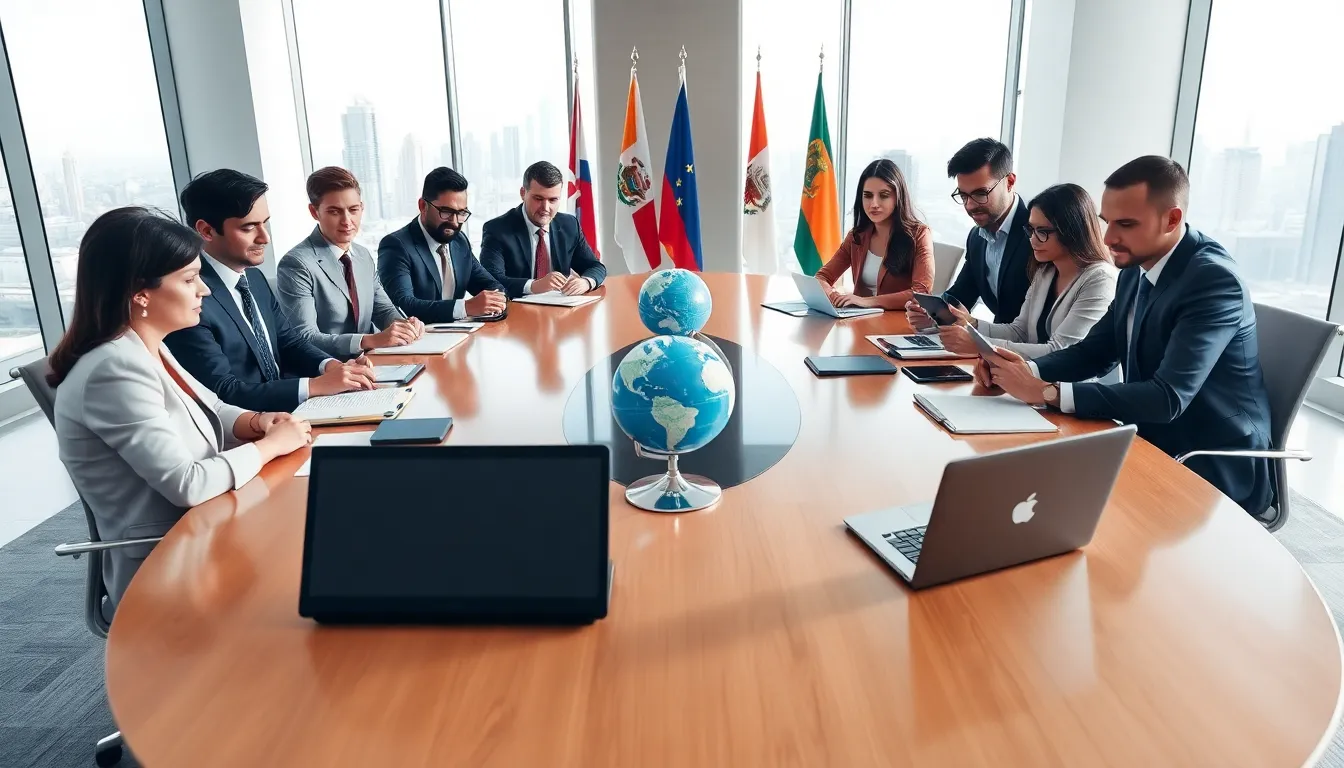
Global affairs techniques shape how nations interact, compete, and cooperate on the world stage. These strategies determine everything from trade agreements to peacekeeping missions. Understanding international relations requires a grasp of the core methods governments and organizations use to advance their interests.
This article breaks down the essential global affairs techniques that drive diplomacy today. From negotiation tactics to economic leverage, these strategies form the foundation of modern statecraft. Whether someone studies political science or simply follows world news, these concepts provide clarity on why countries act the way they do.
Table of Contents
ToggleKey Takeaways
- Global affairs techniques include diplomatic negotiation, economic statecraft, soft power, and multilateral engagement to advance national interests.
- Successful diplomatic negotiation requires finding shared interests beneath opposing positions and often benefits from third-party mediation.
- Economic tools like trade agreements, sanctions, and development aid have become central to modern statecraft as alternatives to military force.
- Soft power—attracting others through culture, values, and policies—shapes global perceptions but works best alongside harder diplomatic tools.
- Multilateral institutions and coalition building remain essential for addressing complex challenges like climate change and nuclear proliferation.
- Understanding these global affairs techniques provides clarity on why nations act the way they do on the world stage.
Diplomatic Negotiation and Conflict Resolution
Diplomatic negotiation remains the primary tool in global affairs techniques. Countries rely on skilled diplomats to resolve disputes, establish treaties, and prevent armed conflict. The process demands patience, cultural awareness, and strategic thinking.
Successful negotiation follows several key principles. First, parties must identify shared interests beneath opposing positions. Two nations might disagree on border policies but share concerns about regional stability. Finding this common ground creates room for compromise.
Mediation plays a critical role when direct talks stall. Third-party mediators, whether individual diplomats or international bodies, bring neutrality to heated disputes. The Camp David Accords of 1978 demonstrated how skilled mediation can produce lasting peace agreements.
Conflict resolution extends beyond formal negotiations. Track-two diplomacy involves unofficial channels where academics, business leaders, and former officials build relationships across borders. These informal connections often lay groundwork for official breakthroughs.
Global affairs techniques in this area also include confidence-building measures. Military hotlines, joint exercises, and transparency agreements reduce the risk of miscalculation during tense periods. These small steps accumulate into larger trust over time.
Modern diplomats face new challenges. Social media amplifies public pressure on negotiations. Cyber threats add security concerns to sensitive discussions. Yet the core skills of listening, persuading, and finding mutual benefit remain as relevant as ever.
Economic Statecraft and Trade Diplomacy
Economic tools have become central to global affairs techniques in recent decades. Nations wield trade agreements, sanctions, and investment policies to achieve strategic goals without military force.
Trade diplomacy creates mutual dependencies between countries. When economies intertwine through commerce, conflict becomes costly for all parties. The European Union’s founding logic rested on this principle, make war economically unthinkable.
Sanctions represent the coercive side of economic statecraft. Targeted financial restrictions can pressure governments to change behavior. But, sanctions work best when applied multilaterally and linked to clear demands. Unilateral sanctions often push target countries toward alternative trading partners.
Development assistance serves strategic purposes alongside humanitarian goals. Aid programs build goodwill, strengthen allies, and create economic ties that benefit donor countries long-term. China’s Belt and Road Initiative exemplifies how infrastructure investment advances geopolitical influence.
Currency policy also factors into global affairs techniques. Exchange rate manipulation, reserve currency status, and financial system access all provide leverage in international disputes. The dollar’s dominance gives the United States significant power over global transactions.
Trade agreements increasingly address issues beyond tariffs. Labor standards, environmental protections, and digital commerce rules now feature in major deals. These provisions reflect how economic diplomacy has expanded to cover broad policy areas.
Companies have become important players in economic statecraft. Governments encourage or restrict corporate activities abroad to signal approval or displeasure. Business interests, in turn, lobby for favorable trade policies.
Soft Power and Public Diplomacy
Soft power represents one of the most influential global affairs techniques available to nations. The term describes a country’s ability to attract others through culture, values, and policies rather than coercion or payment.
Public diplomacy puts soft power into practice. Government-sponsored cultural exchanges, international broadcasting, and educational programs all aim to shape foreign public opinion. The British Council, Voice of America, and Confucius Institutes serve this function for their respective nations.
Cultural exports carry significant soft power value. Hollywood films, K-pop music, and Japanese anime have all boosted their countries’ global appeal. These products spread language, values, and lifestyle aspirations that translate into political influence.
Educational exchange programs create lasting connections. When foreign students study in a country, they often develop sympathy for its institutions and values. Alumni networks then carry these perspectives into positions of influence back home.
Global affairs techniques in this domain require authenticity to succeed. Audiences quickly detect propaganda and reject heavy-handed messaging. The most effective soft power emerges naturally from genuine cultural achievements and consistent policy behavior.
Digital platforms have transformed public diplomacy. Social media allows direct engagement with foreign populations, bypassing traditional media gatekeepers. But this access comes with risks, misinformation spreads easily, and diplomatic gaffes go viral instantly.
Soft power has limits. It works slowly and proves difficult to measure. Countries cannot rely on cultural appeal alone when facing security threats. But as a complement to other global affairs techniques, soft power shapes the environment in which harder tools operate.
Multilateral Engagement and Coalition Building
Multilateral institutions provide essential frameworks for global affairs techniques. The United Nations, World Trade Organization, and regional bodies like the African Union offer platforms for collective action on shared challenges.
Coalition building amplifies national influence. No single country can address climate change, pandemic disease, or nuclear proliferation alone. Effective coalitions pool resources, share burdens, and lend legitimacy to joint actions.
International organizations establish rules that govern state behavior. These norms reduce uncertainty in global interactions. When countries follow agreed procedures for trade disputes or territorial claims, conflict becomes less likely.
Global affairs techniques within multilateral settings require different skills than bilateral diplomacy. Delegates must build consensus among diverse parties with competing interests. Procedural knowledge matters, understanding how to advance proposals through committee structures can determine outcomes.
Regional organizations handle issues that global bodies cannot address effectively. ASEAN manages Southeast Asian security concerns. The European Union coordinates economic policy among members. These groupings tackle problems at appropriate scales.
Multilateralism faces challenges today. Great power competition has gridlocked some institutions. Rising powers seek greater representation in bodies designed after World War II. Critics argue that international organizations move too slowly to address urgent threats.
Yet alternatives to multilateral cooperation remain unappealing. Unilateral action often backfires without international support. Bilateral deals cannot solve problems requiring collective action. For all their flaws, international institutions remain central to managing global challenges.